
The Gold IRA, in plain English
What a Gold IRA is, who is involved, what it can hold, and what it really costs. Everything you need to know before you talk to anyone.
What is a Gold IRA?
A Gold IRA is a self-directed individual retirement account that holds physical precious metals instead of, or alongside, stocks, bonds, and funds.
It follows the same basic rules as any other IRA. It can be a Traditional IRA, funded with pre-tax money, or a Roth IRA, funded with after-tax money. The difference is what's inside: actual gold, silver, platinum, or palladium that you own through the account.
Most regular IRA providers don't hold physical metals, which is why a Gold IRA uses a specialized custodian.

Three parties, three different jobs
It helps to know who does what, because each one charges for its part.
The custodian
Holds and administers your IRA, handles the paperwork, and reports to you. Must be a company that allows precious metals.
The dealer
Sells you the metals at a price above the spot market. The size of that markup varies a lot between dealers.
The depository
A secure facility that stores the metals on behalf of your IRA, with insurance and regular audits.
IRA-eligible metals and purity standards
Not every coin or bar qualifies. IRA metals have to meet minimum fineness requirements.
| Metal | Minimum purity | Common examples |
|---|---|---|
| Gold | 99.5% | Many gold bars and bullion coins. The American Gold Eagle is allowed through a specific exception. |
| Silver | 99.9% | Silver bullion coins, rounds, and bars from recognized refiners. |
| Platinum | 99.95% | Platinum bullion coins and bars. |
| Palladium | 99.95% | Palladium bullion coins and bars. |
Collectible and rare coins are generally not allowed in an IRA. If a company pushes rare or "special" coins for your IRA, ask why, and compare the markup.
Where your metals are kept
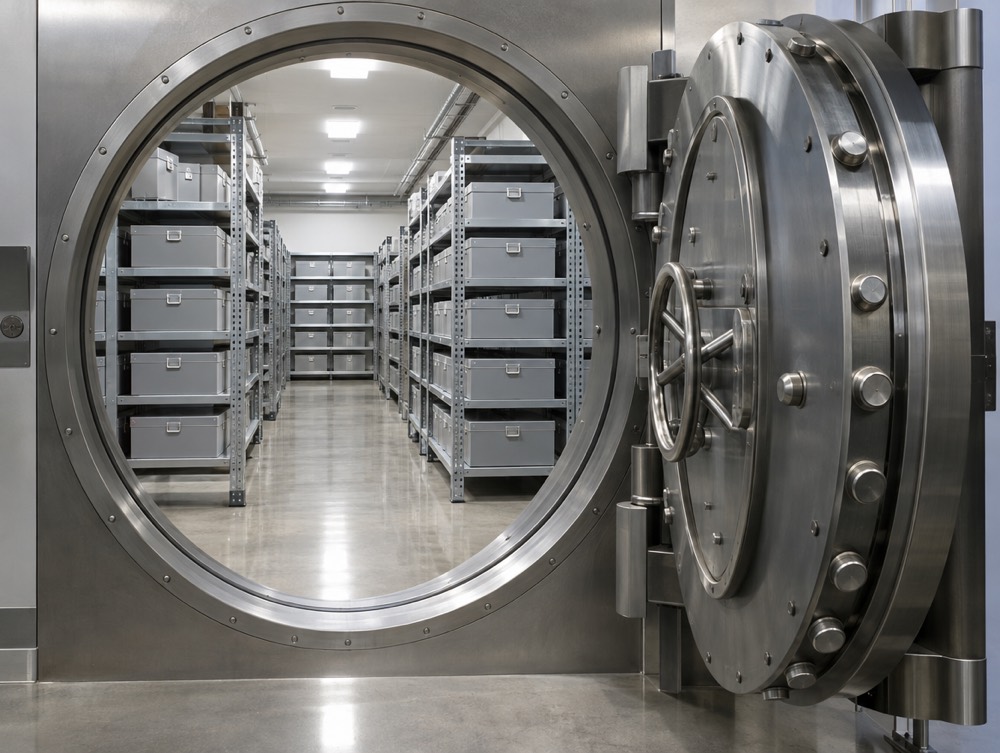
IRA metals are held by a qualified depository that your custodian works with. You generally can't keep IRA metals at home.
- Segregated storage: your exact coins and bars are kept apart and labeled as yours. It usually costs more.
- Pooled storage: your metals are held with other investors' metals of the same kind. You get back equivalent metals, not the exact pieces.
- Insurance and audits: ask who insures the metals and how often holdings are audited.
What a Gold IRA really costs
A Gold IRA usually costs more to run than a regular IRA. Ask for every fee in writing before you start.
Setup fee
A one-time charge some custodians collect to open the account.
Annual custodian fee
A yearly fee for administering the account and its reporting.
Storage and insurance
A yearly depository fee, often higher for segregated storage.
Dealer spread
The gap between what you pay for metals and what they are worth on the spot market. Often the biggest cost.
Selling costs
What a dealer pays you when you sell can sit below the spot price.
Promotions
Bonus metals or fee waivers can come with a higher price elsewhere. Compare the full cost.
Traditional or Roth Gold IRA
Traditional Gold IRA
- Funded with pre-tax money, often from a 401(k)
- Withdrawals are generally taxed as income
- Required minimum distributions start at a set age
Roth Gold IRA
- Funded with after-tax money
- Qualified withdrawals are generally tax-free
- No required distributions for the original owner
Tax rules are detailed and change over time. Talk with a qualified tax advisor about which type fits you.
Taking money out
When you take a distribution, you can usually have the custodian sell the metals and pay you in cash, or have the actual metals shipped to you. Either way, the usual IRA tax rules apply, and taking money out before retirement age can mean penalties.
If you have a Traditional Gold IRA, plan ahead for required minimum distributions. Metals aren't always easy to divide into exact dollar amounts, so ask your custodian how they handle it.